
Did you know that Ohio has more than 143 species of ants? You may not have to worry about every single one. But there are several that do invade homes and yards throughout the Columbus, Dayton, and Greater Cincinnati areas.
Wondering how to get rid of ants? Our pest control team at ScherZinger offers treatments to eliminate these bugs — and keep them from coming back! We’ve had years of experience dealing with these pesky insects.
To help homeowners identify them and know how to handle them, we offer the following guide to ants. We’ll go over different types of ants, how to get rid of ants, what attracts them, what they hate — and much more!
Quick Facts About Ants
1. Ants and termites are natural enemies that compete for the same habitats. Ants sometimes invade termite colonies and carry termites back to their nest as prey.
2. Ants are social bugs that form large colonies. Different members perform different kinds of tasks within the colony, such as foraging for food or caring for young.
3. Despite being so small, ants are powerful insects! They’re able to lift and carry loads that are 20 times their body weight.
4. Ants hear through their feet, since they don’t have any ears. They detect vibrations or rumbles that alert them to the presence of predators.
5. Ants make scent trails using chemical pheromones as they wander around looking for food. These trails help them keep track of where they’ve been.
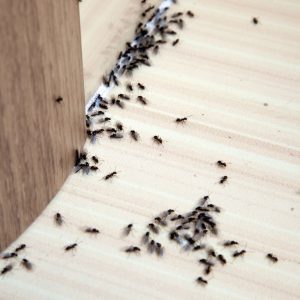
How to Get Rid of Ants?
No one wants these pests roaming around their homes or infesting yards. They can cause all of the following problems:
- Contaminate food
- Track germs throughout your home
- Damage wood or other materials
- Cause damage to your lawn
But how can you eliminate them? All of the following are steps you can try to make these bugs go away.
Take Away Their Food Sources
Worker ants spend hours and hours looking for food. Once they find it in your home, they’ll keep coming back for more. To get rid of sources of food for these insects:
- Keep food in airtight containers
- Clean kitchen surfaces, including countertops and tables
- Sweep or vacuum up crumbs from floors
- Clean up spills
- Empty your kitchen trash can regularly
- Empty and wipe pet food bowls
Seal Up All Entry Points
These tiny bugs can find tons of places to get into homes. But you can keep them out with some caulk or weatherstripping. Seal up any gaps — even small ones — you find around windows and doors. Look for other cracks or openings they might use to get in, and seal those up right away, too!
Manage Outdoor Vegetation
Ants can use bushes or other vegetation to reach entry points into your home — don’t give them a chance to! Trim tree, shrub, and bush branches, so they’re not scraping right against your exterior. That gets rid of convenient paths to your home for these pests.
Go with Professional Perimeter Treatment
You can do all of the above and still end up dealing with an ant infestation. But professional pest control can help eliminate them for good! Our experts can create an ant barrier using perimeter treatment around your property. This helps destroy colonies and protects against repeat invasions.
Different Types of Ants
You might not have to be on the lookout for over 100 ant species in our area. But there are some types that may give you trouble if they invade your yard or home. Which kinds should you be aware of? We’ll go over several types of ants that are around our area.
Odorous House Ants
 These tiny ants are black or dark brown and only grow to be up to 1/8 of an inch in length when they’re adults. How did they get their name? They emit an odor that smells like rotted coconut when they’re crushed.
Odorous house ants can ruin your food while looking for things to eat. They love sweet, sugary foods, but they’ll settle for other kinds of food, such as meats. If they get in, they might build nests in hard-to-reach areas, like inside your walls.
Carpenter Ants
Have you ever seen big black ants crawling around on walls, trees, or other surfaces? Those are carpenter ants — the biggest kind you’ll find here in Ohio. These ants can end up being a half-inch in length! Most are black, but some also have reddish coloring. in length! Most are black, but some also have reddish coloring. 
Carpenter ants make a beeline for damp wood to build their nests. Since they tunnel through, they can end up damaging outdoor furniture, fences, interior walls, and other wood. They don’t eat it, like termites do. But their tunneling behavior hollows it out.
Little Black Ants
You might hear people call these “sugar ants.” These tiny black ants roam around homes in search of sugary things to eat. But they’ll also feed on vegetables, meat, and even other bugs. They only grow to around 1/8 of an inch in length as adults.
Little black ants make nests in different places. You might find them nesting inside walls or other areas in home interiors. Or they might build nests underground or in rotted logs outside.
Pharaoh Ants
These ants are even smaller than odorous house ants, only growing to be around 1/16 of an inch in length. They’re also a different color — light yellow rather than the usual black or brown. Pharaoh ants have black and red markings, too.
These ants are tricky to deal with. They’ve been known to relocate their nest, causing difficulties with tracking them down. They’re also food-contaminating pests that are able to make it through the winter months if they’re indoors.
Pavement Ants
You can’t miss these small ants while walking around outside, especially in warmer weather. Pavement ants are those tiny black or light brown bugs you see crawling around on the sidewalk or concrete walkways. They grow to be up to 1/8 of an inch long.

They usually build their nests outside in soil — but they can still be a problem for homeowners. Pavement ants sometimes get into homes to look for food and take it back to their nests. They’re highly likely to keep coming back if they know they can easily get food from you!
Acrobat Ants
Like many other ants, this type forages for sweet-tasting goods in homes or honeydew in outdoor areas. Their diet also includes meats. Acrobat ants are on the small side, with adults reaching about 1/4 of an inch long.
Where does the name come from? These ants raise their abdomen when they feel threatened, giving them an acrobat-like appearance. They also give off an unpleasant smell as odorous house ants do.
Crazy Ants
As with acrobat ants, crazy ants get their name from how they move. In this case, these ants seem to run around in an aimless way — hence the name. They’re tiny black or dark brown bugs, growing to be roughly 1/10 of an inch long.
Crazy ants also go after sugar-filled foods and other food scraps found in pantries and kitchens. But they actually show more of a preference for eating other bugs or animal matter. These ants can nest in walls and chew on wires, causing fire risks.
Why Do Ants Come Into the House?
Ants enter homes for many reasons. Let’s take a closer look at some of the things that cause them to find ways inside home interiors.
Search for Food
Many ant types have huge colonies that they need to support. That means finding lots of food to bring back to the nest — and your home might provide it! Ants commonly invade houses while foraging for sweets or other sources of food.
Look for Water
These pesky bugs also need water to survive. Ants can often be found around sources of water, such as pipe leaks or even near pipes that are damp from condensation. You might see them inside bathroom or kitchen cabinets under sinks.
Get Out of the Cold or Damp Weather
Ants don’t like having to deal with a lot of rain or cold temperatures. In fact, the cold can kill them. They often seek for ways to get indoors to find somewhere warm, sheltered, and dry to go. This helps them survive when outdoor conditions aren’t ideal for them.
Find Dry Places to Build Nests
Many ants need someplace that’s dry in order to build nests. That can bring them inside homes, where they can slowly put nesting sites together in wall cavities, cabinets, or other indoor structures. These places can offer perfect spots for ants to enlarge their colonies, making them harder to get rid of!
What Attracts Ants?
We already know that many ants search specifically for sweet foods. But these pests also eat other kinds of foods. Knowing what attracts them to your home can help you take steps to avoid having them try to get inside — and set up residence! 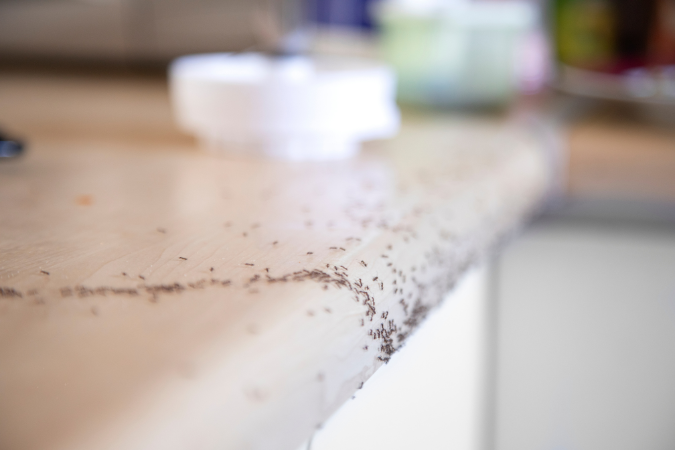
- Sugary foods: Maple syrup, powdered sugar, and other sweet foods can draw worker ants of many species to your kitchen or pantry.
- Open or unsealed food containers: Keeping cereal, pasta, or other foods in bags or boxes makes it easy for ants to break through and get inside packaging.
- Pet food in bowls: Do your pets eat throughout the day or tend not to finish all their food? Ants will go after any pet food that’s left behind in their bowls.
- Dishes in the sink: Leaving plates, utensils, and other dishes with scraps of food on them in the kitchen sink can attract ants.
- Garbage: Your kitchen trash can can end up being a great source of food for ants, so it’s best to empty it out as often as you can!
- Moisture: Ants have to find water to live, so they’re attracted to pipes, sinks, drains, and other sources of moisture in homes.
- Damp wood: Some ants, such as carpenter ants, look for moist wood to tunnel through and build nests. Leaks can create these wood sources in your home.
- Mulch and piles of wood: Having wood stacks or mulch around outside gives ants a place to seek shelter and potential nesting spots.
- Potted plants: If you have indoor plants, note that these pests can seek them out for their soil or to feed on honeydew from aphids and other plant pests.
- Flowers: Nectar from flowers is a common kind of food for ants, making indoor and outdoor flowers attractive to these bugs.
Why Do You Have Ants in Your Yard?
These bugs aren’t just a problem inside homes. They can also cause issues when you have a lot of them in your yard. You might have tons of ant mounds or hills scattered around, making it hard to mow your lawn. Or you might have ants building nests that are a little too close to your house. They can also cause problems with gardens if you have large colonies invading.
What draws them to your yard? You may have an ant problem on your property for any of the following reasons.
Damp Patches for Moisture
Again, ants have to locate water to survive. If your yard has any areas of dampness, such as a corner where rain water tends to pool or moisture from plumbing leaks, this can bring ants to your property in droves. Take steps to eliminate drainage problems or leaks to stop ants from establishing colonies in your yard.
Plant and Flower Nectar or Tree Sap
Does your yard have trees, flowers, and other plants? Ants might pay a visit — and end up staying — if they’re able to feed on flower nectar or sap on tree bark. You don’t have to get rid of vegetation in your yard. Just be aware that ants might be a problem and have any ant infestations that develop handled right away!
Honeydew from Aphids and Other Bugs
Aphids and some other insects produce a sticky, sweet substance called honeydew. Ants like to feed on this, so you may see more around if your garden or yard has an aphid problem. Eliminating garden pests helps keep ants away, too, since you’re removing a food source.
Shelter Under Rocks, Logs, or Other Debris
Be careful if you have large rocks, leaf piles, dead logs, or other debris lying around your property. Ants might seek out these areas to build nests. These kinds of spots give them some much needed shelter and safety from predators. Clean up debris, and shift rocks around often to keep ants from getting too comfortable there.
Garbage
If you have garbage cans that aren’t closed tightly, they can attract ants to your yard. These pests can climb into your cans and forage around for scraps of food. Replace old or worn cans with ones that you can tightly close to keep ants out.
Does DIY Ant Pest Control Work?

Are you considering using DIY methods to kill ants? Not so fast! You might find some success using these methods, such as:
- Boric acid or borax powder
- Diatomaceous earth
- Tea tree oil
- Baking soda and vinegar
However, DIY pest control for ants typically only works on a short-term basis. Remember that you have to locate the nest to get rid of ants for good!
Will Ants Go Away on Their Own?
No, these pests usually don’t disappear without professional help. Having the pest control experts at ScherZinger treat your home or yard offers a long-term solution.
What Is the Best Ant Repellant?
You can find all sorts of ant baits, ant traps, and ant poison on the market. But which is best? These products aren’t always effective — and some can be dangerous for pets and kids! Leave it to the professionals to use safe and effective ant repellant products for your home.
What Do Ants Eat?
These bugs have a range of foods in their diet, including:
- Nectar
- Sap
- Honeydew
- Leaves
- Fungus
- Human and Pet Food
- Other Bugs
- Meats
Why Choose ScherZinger for Ant Control?
Our pest control professionals use perimeter treatment that helps prevent ant problems. Already have an infestation? We can locate the nest — and get rid of ants for good! We’ve been the trusted pest control company in Columbus, Cincinnati, and Dayton for over 90 years. Call us today at 1-877-748-9888.
