
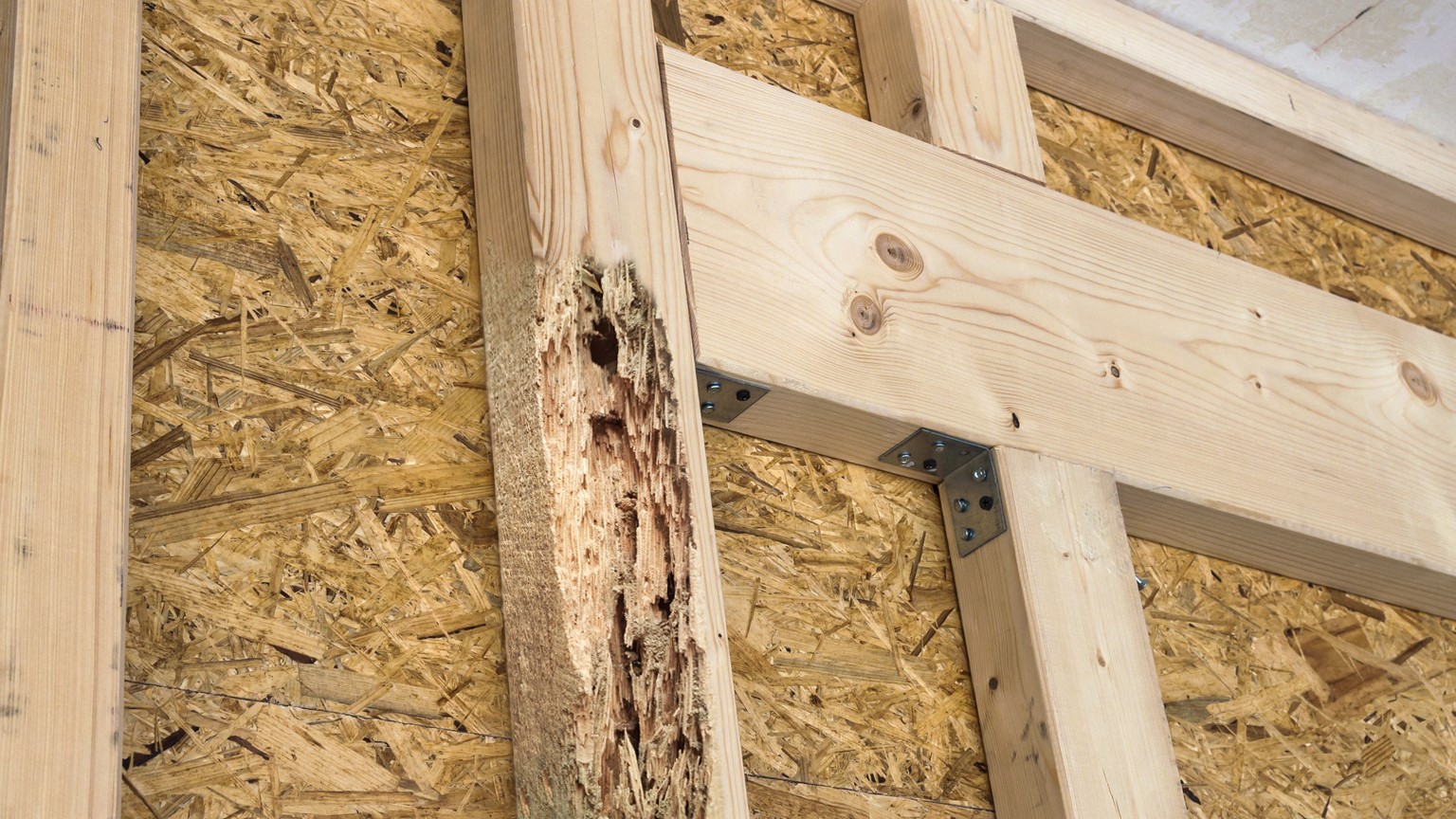
Common signs of termite damage include mud tubes, discarded wings, hollow wood, bubbling paint, sticking doors, sagging floors, and damaged wood. Recognizing these signs early matters because termites can remain hidden inside walls, floors, and structural materials.
Some evidence is easy to spot, while other damage resembles moisture problems, ordinary wear, or other pests. Knowing what termite damage looks like can help homeowners decide when to schedule an inspection.
Why Dayton Homeowners Should Watch for Termites
Termites feed on cellulose found in wood, drywall paper, and other building materials. Because they often work from the inside out, substantial activity may be present before visible damage appears.
For Dayton homeowners, basements, crawl spaces, foundations, and moisture-prone areas can provide favorable conditions. Inspections may identify activity before a colony causes extensive damage.
What Does Termite Damage Look Like?
Homeowners often ask, what does termite damage look like? It may appear as hollow wood, blistered surfaces, sagging trim, mud tubes, or discarded wings. Its appearance depends on where termites are active.
Hollow or Soft Wood
Termites consume wood from the inside, sometimes leaving only a thin outer layer. Damaged wood may sound hollow when tapped, feel soft when pressed, or break easily along the grain.
Blistering Paint or Bubbling Surfaces
Paint or wallpaper may bubble when termites damage the material underneath. These areas can resemble water damage and be difficult to confirm without an inspection.
Bubbling alone does not prove termites are present, but it should not be ignored with other warning signs.
Sagging Floors, Doors, or Trim
Damage to joists, subflooring, door frames, or trim can cause floors to sag or doors and windows to stick.
Moisture and structural movement can cause similar symptoms, so professional evaluation may be necessary.
Common Signs of Termite Damage Inside the Home
Visible activity is not always easy to find, but several clues may indicate an infestation.
Discarded Wings Near Windows or Doors
Termite swarmers leave established colonies to reproduce and form new colonies. After landing, they shed their wings.
Matching wings near windows, doors, vents, or lights can be an important warning sign, especially during spring.
Mud Tubes Along Walls or Foundations
Subterranean termites build narrow mud tubes to travel between the soil and a food source while retaining moisture.
These tubes may appear along foundations, support beams, crawl-space surfaces, or exterior masonry. Breaking one does not eliminate the colony, and active termites may rebuild it.
Small Holes, Frass, or Damaged Wood
Small openings or damaged wood may indicate wood-destroying insects, but not every hole is caused by termites. Frass may resemble sawdust or small pellets and is more commonly associated with drywood termites or carpenter ants.
Because different insects leave different evidence, homeowners should avoid diagnosing an infestation from one sign alone.
Where Termites Hide in Dayton Homes
Termites prefer areas where they remain protected from light, dry air, and disturbance.
Basements and Crawl Spaces
Basements and crawl spaces may contain exposed wood, moisture, and soil access. Check support beams, sill plates, joists, and plumbing areas for mud tubes or damaged wood.
Foundations and Exterior Walls
Cracks, utility openings, siding gaps, and wood-to-soil contact can provide termite access. Mulch, firewood, and landscaping materials against the foundation may also trap moisture near the structure.
Keeping these materials away from the home and sealing gaps may reduce risk.
Moisture-Prone Areas
Leaking pipes, poor drainage, damaged gutters, and damp wood create favorable termite conditions. Bathrooms, kitchens, utility rooms, and exterior faucets deserve additional attention.
Correcting moisture supports prevention but will not eliminate an existing colony.
How to Spot Early Termite Damage
Finding early termite damage requires noticing small changes before major symptoms develop.
Subtle Changes in Wood Surfaces
Look for wood that sounds hollow, develops thin cracks, or feels unusually soft. Trim, baseboards, and window frames may show slight surface changes before damage becomes obvious.
Sounds or Movement Behind Walls
Some homeowners report faint clicking or rustling near active termite areas. These sounds can be difficult to distinguish from normal building noise.
Seasonal Swarming Activity
Swarmers or discarded wings are clear early indicators of a nearby colony. Dayton homeowners may notice them during warmer spring days.
A swarm is a reason to schedule an inspection, even when no damaged wood is visible.
Termite Damage vs. Other Pest or Moisture Problems
Several common household problems can resemble termite damage.
Carpenter Ant Damage
Carpenter ants excavate wood to build nests rather than eating it. Their galleries are generally smoother and may contain sawdust-like debris.
Water Damage
Water can cause bubbling paint, stained drywall, warped trim, and soft wood. It is often concentrated near a leak and may produce visible staining.
Wood Rot
Wood rot occurs when fungi break down damp material. Rotted wood may appear dark, crumbly, or stringy, while termite damage often contains channels or layered galleries.
Because these problems can overlap, appearance alone may not provide a definite answer.
When to Schedule a Termite Inspection in Dayton, Ohio
Homeowners should act when they notice swarmers, discarded wings, mud tubes, hollow wood, unexplained surface changes, or moisture near structural materials.
A professional termite inspection can confirm whether termites are active, identify affected areas, and evaluate conditions that may support future activity. Searching for a termite inspection Dayton Ohio homeowners can trust is especially important when damage may be hidden.
Why Professional Termite Control Matters
Termite colonies can extend beyond visible areas. Effective professional termite control involves identifying the species, locating activity, and choosing an approach suited to the property.
Thorough Inspection
A trained technician can examine foundations, crawl spaces, basements, structural wood, and other vulnerable areas for visible and concealed evidence.
Targeted Treatment Options
Available treatment options vary depending on the location and extent of activity. A professional can recommend a plan based on the home rather than relying on a one-size-fits-all solution.
Ongoing Monitoring and Prevention
Follow-up monitoring may identify renewed activity or changing conditions. Moisture correction, reducing wood-to-soil contact, sealing gaps, and routine inspections can also support prevention.
Request a Termite Inspection in Dayton
Do not wait for major structural damage to investigate possible termite activity. ScherZinger Pest Control can inspect your home, identify evidence of termites, and recommend a treatment and prevention plan based on the property.
Request an appointment with ScherZinger for a professional termite inspection in Dayton, Ohio.
Frequently Asked Questions
Can termite damage be repaired?
Damaged wood may be repaired or replaced, but active termites should be addressed first. Repair needs depend on the materials affected and how much strength they have lost.
Are discarded wings always a sign of termites?
Discarded wings may indicate termite swarmers, but flying ants can look similar. A professional can compare their wings, bodies, and other evidence.
Can termites be present without visible damage?
Yes. Termites may remain concealed inside walls, ceilings, flooring, or structural wood before visible damage appears.
How often should Dayton homes be inspected for termites?
Inspection frequency depends on the property, previous activity, moisture conditions, and other risk factors. A professional can recommend an appropriate schedule.
